Wall Therapeutic Solutions
Behavioral Therapeutic Consultation
Comprehensive, person-centered support for individuals who want to decrease interfering behaviors, increase functional communication, learn new skills, increase independence, achieve personal goals, and strengthen interaction with others.






Therapeutic Consultation
What is Behavioral Therapeutic Consultation?
Therapeutic Consultation provides expertise, training, and technical assistance to family members, caregivers, and service providers supporting individuals with interfering behaviors. These services help ensure effective implementation of the individual’s desired outcomes, as identified in their plan for supports.

The Basics
Behavioral Therapeutic Consultation
Support for individuals and their caregivers.

Payment Accepted
FIS (Family & Individual Supports) Waiver, CL (Community Living) Waiver, and FAPT (Family Assessment and Planning Team) funding. Private Pay available.

Hours of Support
Scheduled sessions. Frequency is based on individual assessment. This model blends caregiver training with direct support as needed.

Staffing
Services are provided by clinicians licensed as BCBAs (Board Certified Behavioral Analyst) or BCaBAs (Board Certified Assistant Behavioral Analyst).
Why Wall for Behavioral TC?
We use a person-centered, team-based approach that honors the individual’s goals, needs, and choices.
Our Approach
Wall Therapeutic Solutions provides Behavioral Therapeutic Consultation by Licensed Behavior Analysts. The individual and their support team collaborate with the clinician to create a comprehensive, person-centered plan focused on what is most important to the person.
Formal & Informal Assessments
Licensed Behavior Analysts meet with the individual in need of supports and their team using informal and formal assessment processes to determine needs, including a Functional Behavior Assessment (FBA). The FBA identifies behaviors the individual may want to decrease and skills they want to build to achieve goals they’ve identified as important and socially significant to them.
Ongoing Support & Re-evaluation
Based on assessment findings, a Behavior Support Plan is developed outlining instructional techniques, environmental modifications, and interventions. The Licensed Behavior Analyst meets regularly with the individual and their team to coach and consult on interventions and supports. Progress is monitored continuously to determine whether strategies should be maintained, adapted, or replaced. Coaching caregivers is an essential component, allowing support skills to grow and clinician involvement to decrease over time.
Find Services
See Therapeutic Consultation services near you.
Use our interactive map tool to locate TC and other service options in your area.
Find a Location Near You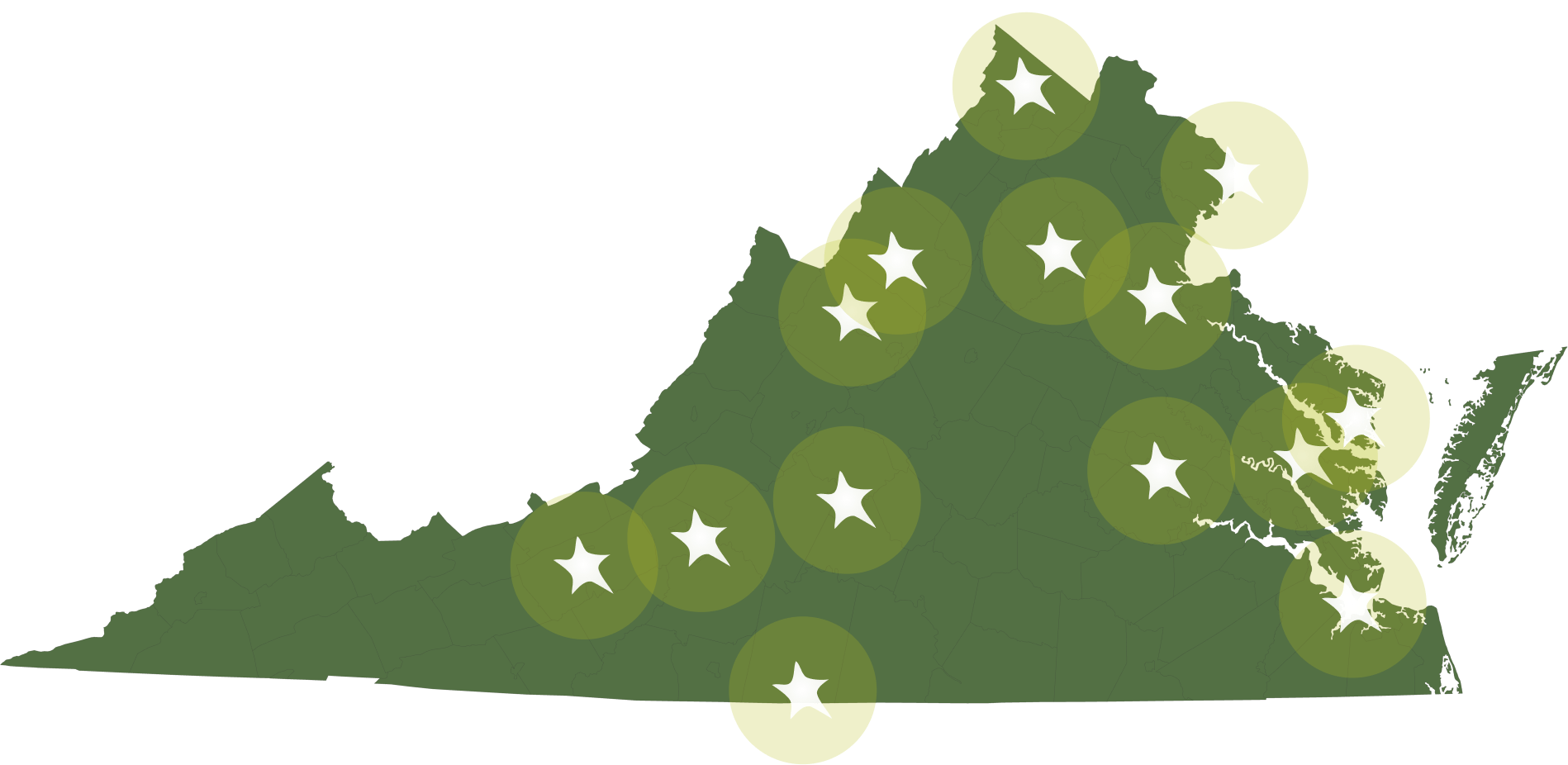
Get Started
Make a Referral
Submit this form and our staff will contact you to guide you through the process of getting started with Behavioral Therapeutic Consultation services.
More Therapeutic Consultation Options
Services to meet your needs.
We offer multiple types of Therapeutic Consultation to address different goals.
Psychological TC
Provides clinical consultation for individuals with developmental disabilities who may also experience mental health support needs.
Learn MoreRecreational Therapeutic Consultation
A systematic process using recreation and activity-based interventions to address the assessed needs of individuals with a disability.
Learn MoreSpeech & Language TC
Supports all people to have the ability to communicate wants and needs in a functional and socially acceptable way, including the use of assistive technology and AAC devices.
Learn MoreGet in Touch
We look forward to learning more about your needs and connecting you with the right therapeutic options.
FAQs
Learn More About Behavioral Therapeutic Consultation
Therapeutic Consultants are clinicians licensed as BCBAs (Board Certified Behavioral Analyst) or BCaBAs (Board Certified Assistant Behavioral Analyst).
Therapeutic Consultants do not provide crisis stabilization and are not on call 24/7. In an emergency, teams should seek crisis stabilization services such as REACH. It is always important, if an individual is in crisis (emergent health/safety concern for themselves or others) and do not have crisis stabilization support, that 911 is called. Request a CIT-trained officer because they have had additional de-escalation training.
Therapeutic Consultation is also not outpatient counseling. Many times, this is a needed service and can be provided by a professional in conjunction with Therapeutic Consultation services. Therapeutic Consultants are held to a code of ethical standards and do not practice outside their scope. They often will recommend related services such as psychiatry, counseling, OT, PT, or Speech based on assessment data.
Consultants help identify and address skill deficits that may contribute to frustration or interfering behaviours. Goals focus on systematically building functional skills while reducing barriers.
- Communication
- Task learning and lifelong skills
- Specific behavioral concerns
- Self-direction
- Health and safety
- Social skills
- Self-regulation
Individualized interventions occur where the client needs support: at work, in the community, or at home.
Fill out our referral form. Referrals may be submitted by the individual, a family member, a paid caregiver, or their support coordinator.
Typically, after a referral is received, the Therapeutic Consultant will:
- Notify the team that an authorization request has been submitted to the state for approval - we must do this prior to any services starting or we aren’t able to bill for our services.
- Conduct a thorough file review
- Schedule a team meeting to gather indirect data through interviews, discussion and person-centered thinking tools
- Identify priority behaviors and goals
- Conduct a Functional Behavior Assessment
- Train the team to collect baseline data
- Complete direct observations
- Conduct additional assessments as needed