Wall Therapeutic Solutions
Recreational Therapeutic Consultation
Treatment services and recreational activities that support client’s physical, mental, and emotional well-being through a variety of techniques while expanding their interests in new activities.





Therapeutic Consultation
What is Recreational Therapeutic Consultation?
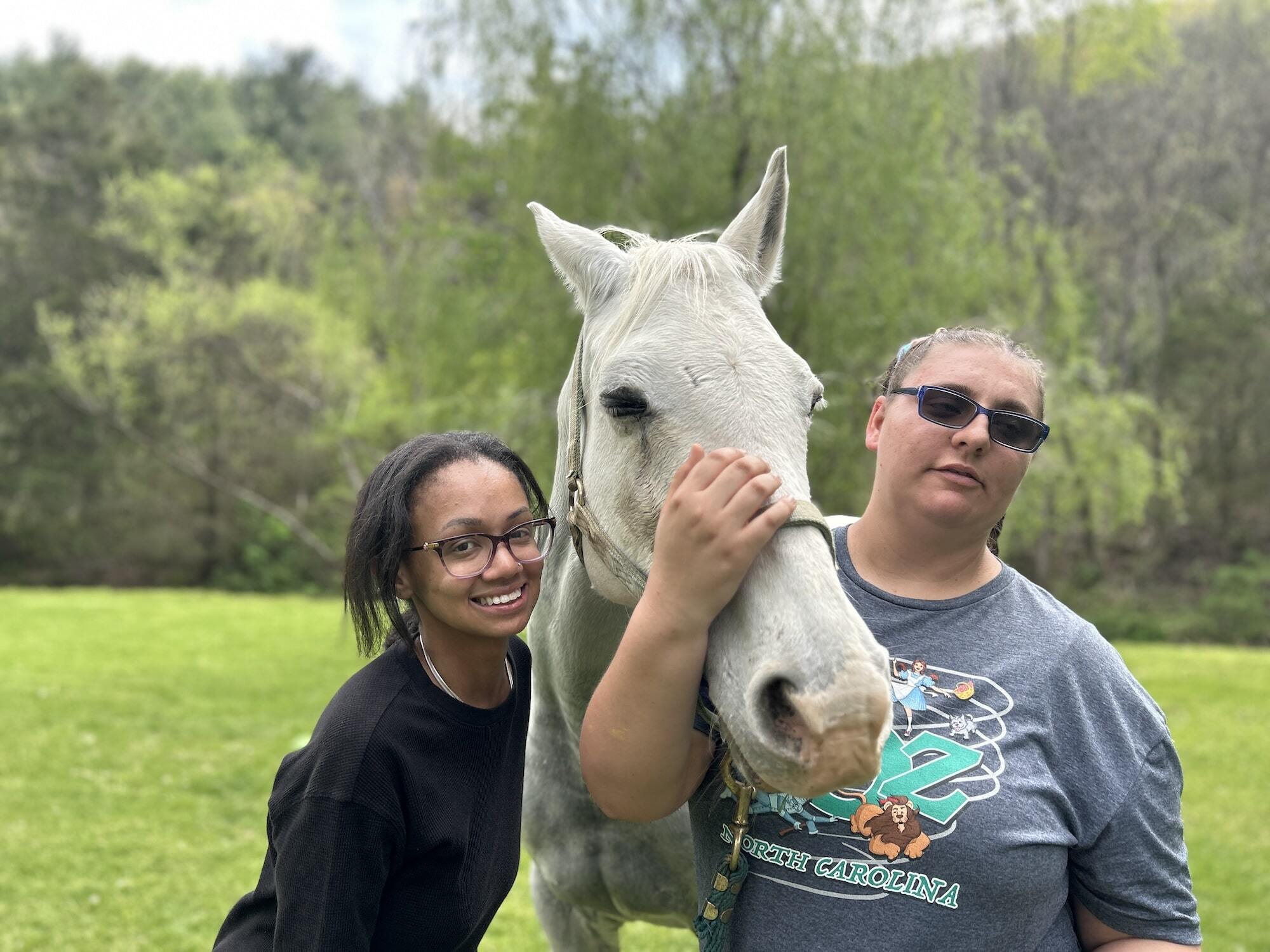
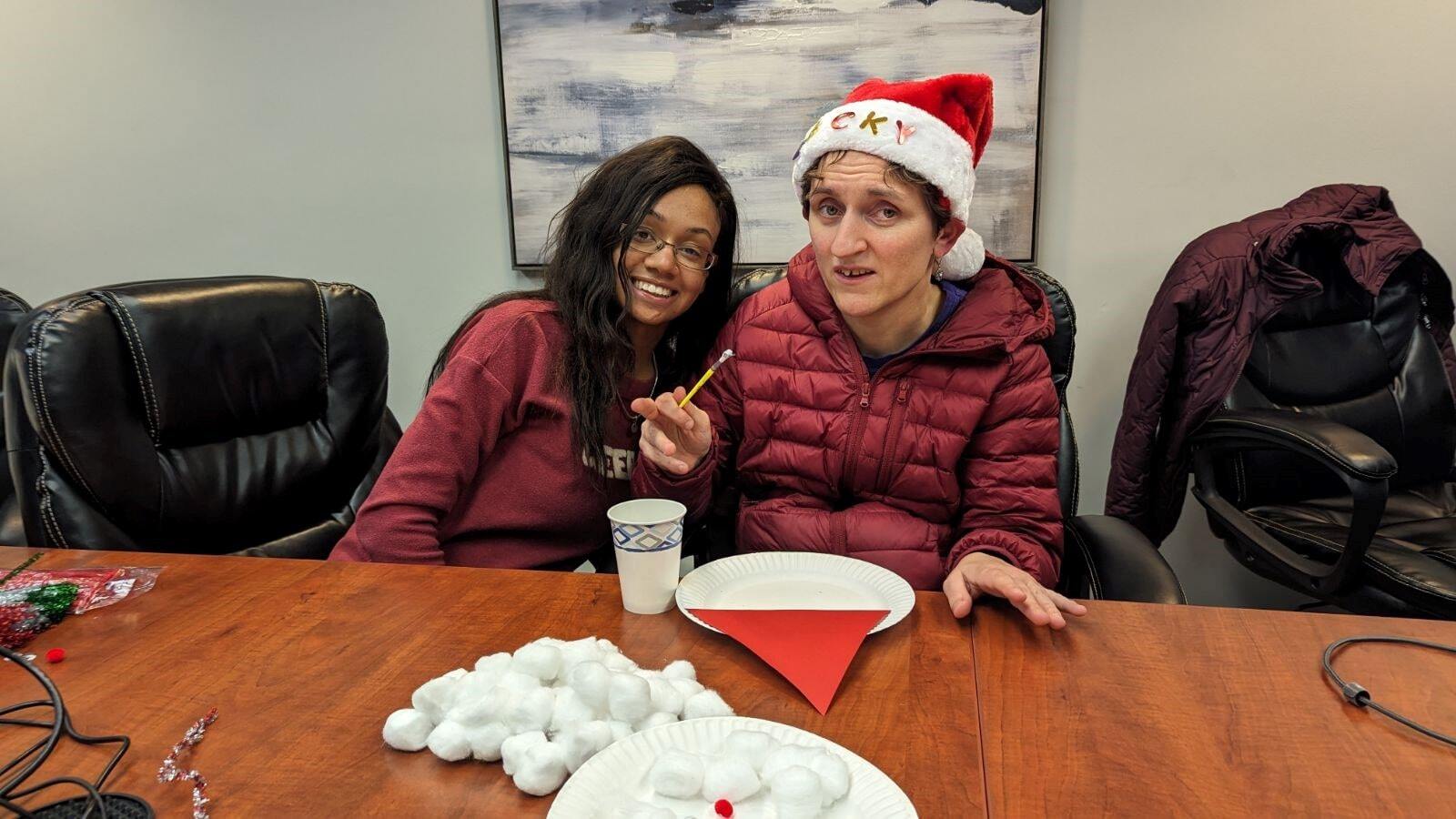
Recreational Therapeutic Consultation systematically uses recreational activities to support physical, emotional, cognitive, and social well-being. The service includes assessing needs, developing a plan, training caregivers or, support staff, and monitoring progress. Activities may include arts and crafts, music, sports, community outings, or games… anything that helps the individual build skills, reduce stress, and participate more fully in daily life.
The Basics
Recreational Therapeutic Consultation
Recreation and other activity-based interventions used to address the assessed needs of individuals with a disability.

Payment Accepted
FIS (Family & Individual Supports) Waiver, CL (Community Living) Waiver, DAP (Discharge Assistance Program) Funding, and FAPT (Family Assessment and Planning Team) funding. Private Pay available.

Hours of Support
Appointments are scheduled during weekday business hours. Locations and frequency are set based on the preferences of the individual and their support team, within the availability of the clinician.

Staffing
Services are provided by a Certified Therapeutic Recreation Specialist (CTRS).
Why Wall for Recreational Therapeutic Consultation?
Activity-based interventions used to improve or maintain physical, cognitive, social, emotional, and spiritual functioning in order to facilitate full participation in life.
Activity-Based Interventions
Recreational therapy (RT) is a systematic process that uses recreation and other activity-based interventions to address the assessed needs of individuals with a developmental disability. Goals may include reducing depression, stress, and anxiety; recovering basic motor functioning and reasoning abilities; building confidence; and socializing effectively. Therapists use a variety of treatment techniques including arts and crafts, animals, sports, games, dance and movement, drama, music, and community outings. Recreational therapists model these activities for caregivers so they can better support the individual’s engagement and participation across settings.
Goal Setting and Assessment
Our Certified Therapeutic Recreation Specialist (CTRS) meets with the individual and their team to determine support needs through both informal and formal assessment processes. Together, they develop goals and outcomes the individual hopes to accomplish through Therapeutic Consultation. Recreational activities of interest or relevance are explored as the individual works toward their identified goals.
Ongoing Support
The clinician develops a treatment plan that outlines therapeutic techniques, environmental modifications, and activities designed to support the individual in meeting their identified goals. The clinician meets regularly with the individual and their team to model, coach, and consult on therapeutic activities, interventions, and supports. Throughout the Therapeutic Consultation process, progress or regression is closely monitored and any necessary changes to the treatment plan are made. This consultation is part of a broader support plan and designed to help individuals live more independently with an improved quality of life.
Find Services
See Therapeutic Consultation services near you.
Use our interactive map tool to locate Recreational Therapeutic Consultation and other service options in your area.
Find a Location Near You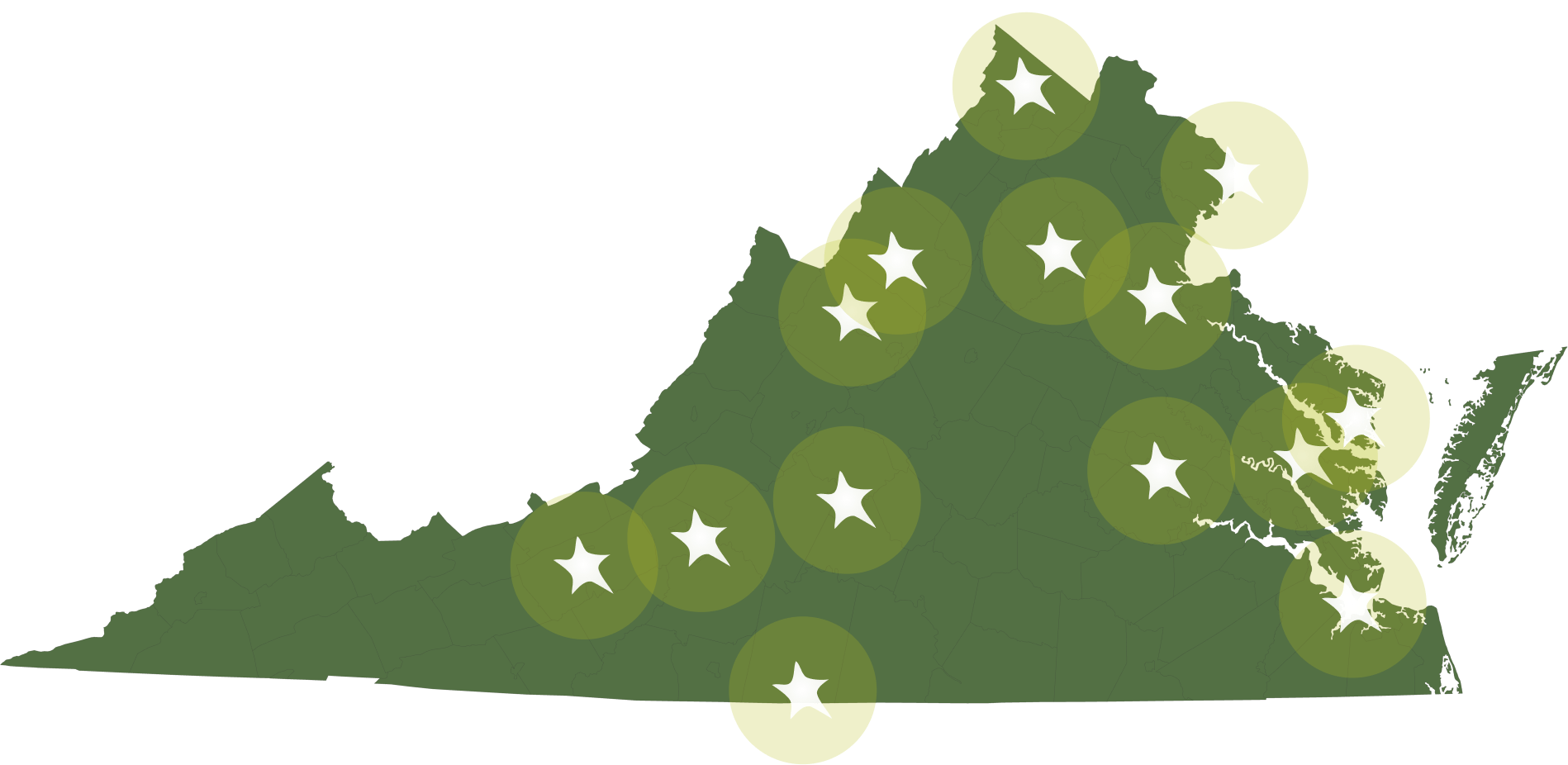
Get Started
Make a Referral
Submit this form and our staff will get in touch to guide you through the process of getting started with recreational therapy services.
More Therapeutic Consultation Options
Services to Meet Your Needs
We offer multiple types of Therapeutic Consultation to address different goals.
Behavioral TC
Supports individuals who desire to decrease interfering behaviors, increase functional communication, learn new skills, build independence, and more.
Learn MorePsychological TC
Provides clinical consultation for individuals with developmental disabilities who may also experience mental health support needs.
Learn MoreSpeech & Language TC
Supports all people to have the ability to communicate wants and needs in a functional and socially acceptable way, including the use of assistive technology and AAC devices.
Learn MoreGet in Touch
We look forward to learning more about your needs and connecting you with the right therapeutic options.
FAQs
Learn More About Recreational Therapy
It’s a service provided by a Certified Therapeutic Recreation Specialist (CTRS) that uses recreational activities to help individuals with developmental disabilities improve their physical, emotional, cognitive, and social well-being.
Individuals enrolled in Virginia’s Medicaid waiver programs, such as the FIS or CL waivers, who have a documented need for therapeutic support may qualify.
Services are provided or directly supervised by a Certified Therapeutic Recreation Specialist.
- Assessment of the individual’s needs
- Development of a personalized recreation-based plan
- Training for caregivers and support staff
- Ongoing monitoring and updates to the plan
Activities may include arts and crafts, music, sports, games, community outings, cooking, and other hobbies that support skill-building and emotional well-being.
- Increase independence
- Improve social and communication skills
- Reduce stress and anxiety
- Support meaningful participation in daily life
- Expand interests in a variety of activities
Only professionals who are Certified Therapeutic Recreation Specialists (CTRS) are authorized to provide this consultation.
Unlike general recreational activities, this service is therapeutic and goal-oriented. It’s tailored to the individual’s needs and is part of their formal support plan. It also follows a consultative model with a strong focus on teaching and training caregivers.
You can speak with your support coordinator or case manager, who can help determine eligibility and initiate the referral process.